How Small Cafes Can Compete With Big Coffee Chains
A small cafe does not beat a national chain by trying to look bigger, louder, or cheaper. That fight is usually lost before it starts. Chains have purchasing power, broad marketing budgets, polished supply systems, and enough data to fine-tune everything from staffing to syrup usage. Independent operators rarely win on volume.
What they can win on is relevance.
That sounds abstract until you see it in real life. The neighborhood place that remembers a regular’s order, serves pastries from the bakery two blocks away, opens fifteen minutes early for hospital staff on the morning shift, and knows which table gets the best winter light is doing something a chain struggles to replicate. It is not merely selling coffee. It is building a place that fits a specific community so well that customers stop comparing it to a chain at all.
That distinction matters. Once people stop asking, “Is this cheaper than the chain?” and start asking, “Do I want to spend my time here?”, the small cafe enters a different contest. It becomes a question of identity, trust, consistency, and experience.
The real competition is not scale, it is habit
Big coffee chains are powerful because they become routine. They are on the commute, in the airport, near the office, and familiar enough that customers do not have to think. The menu is predictable. The app works. The latte tastes close to the same in different cities. Convenience has enormous value, especially on rushed weekday mornings.
A small cafe cannot usually out-convenience a chain with more locations and better drive-through infrastructure. But it can compete for the moments when people are willing to choose, not just default. Those moments are more common than they seem. Weekend mornings. Midday meetings. Remote work sessions. Catching up with a friend. Grabbing a coffee before browsing nearby shops. Taking a ten-minute break that feels like a real break.
In those moments, habit loosens a little. If the independent cafe offers stronger value in the broader sense, not just price, it can shift behavior. A customer who still buys chain coffee on their commute may become fiercely loyal to a local place three afternoons a week. That is not a small win. For many independents, that is the business.
This is why positioning matters. If a cafe owner thinks the job is to copy the chain menu and undercut pricing by fifty cents, they often end up squeezed from both sides. Costs remain high, margins get thinner, and nothing feels distinctive. If the owner understands that the business is really about becoming the preferred local choice for a particular kind of customer and occasion, the strategy sharpens quickly.
Know exactly who the cafe is for
One of the most common mistakes in independent food and beverage businesses is trying to please everyone. The result is usually a blurry concept. The room feels generic, the menu sprawls, and the brand voice becomes timid. Large chains can afford bland universality. A small cafe usually cannot.
A stronger approach is to be specific.
A cafe near a university might optimize for students who need affordable, filling items, generous wifi, long seating windows, and late afternoon energy. A cafe in a residential area with young families might need stroller-friendly spacing, fast service, and a pastry case that includes items children actually ask for. A downtown cafe serving office workers may do best with a tight morning operation, excellent batch coffee, preordered pickup, and clean, quick lunch options.
Specificity affects more than décor. It shapes labor, menu design, music volume, furniture choices, Cafe hours, and even cup sizes. A place trying to serve everyone equally well often serves nobody especially well.
The owners who do this best tend to answer a few plain questions with precision. What customer do we want to become essential for? What need are we serving beyond caffeine? Why should someone travel past another option to come here? If those answers sound vague, such as “quality” or “great service,” the strategy is not finished yet. Chains also claim quality and service. The local cafe needs a version of those things that customers can feel immediately.
Product still matters, more than many operators admit
People romanticize local businesses, but sentiment alone does not build repeat traffic. Community spirit may earn a first visit. A good cappuccino earns the fourth and the fourteenth.
That does not mean every small cafe needs competition-level coffee with rare single-origin lots and a barista staff trained like a specialty roastery showroom. It does mean the core product needs to be reliably good. If espresso swings wildly from sour to burnt depending on the shift, or drip coffee tastes stale by 10:00 a.m., the business is asking customers to be charitable. Most will not.
Consistency often beats ambition. A cafe with a short menu executed cleanly tends to perform better than one with fifteen drinks, six milk alternatives, overloaded seasonal specials, and pastries that sit too long in the case. Simplicity helps training, speed, waste control, and quality.
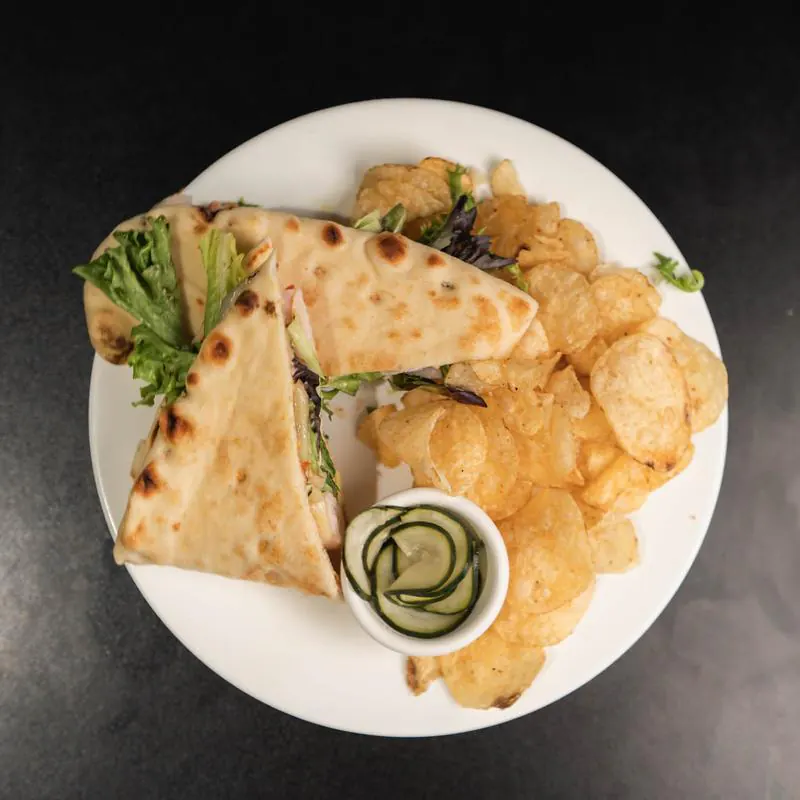
There is also a practical point here about food. Many cafe owners underestimate how much food can differentiate the business, especially when nearby chains rely Cafe on centrally produced items. A warm savory option made well, a standout scone, or a genuinely good sandwich can shift the entire economics of the day. Coffee alone can carry a cafe, but coffee plus food often creates resilience. If the espresso margin is pressured by rising dairy costs, the kitchen or bakery program may stabilize the ticket average.
I have seen small operators transform sales not by adding something flashy, but by making one item notably worth the trip. Sometimes it is a cardamom bun. Sometimes a breakfast sandwich with fresh bread and well-seasoned eggs. Customers remember signature items. Chains have scale. Independents can have craveability.
Service is where small businesses can feel unmistakably human
Chains work hard to standardize friendliness. Good ones do it well. But they still operate within scripts, staffing models, and throughput targets that can flatten genuine hospitality. A small cafe can do something more personal, and that difference is powerful if it is handled with care.
Personal does not mean intrusive. Not every customer wants conversation at 7:30 a.m. It means staff know how to read the room. They move quickly when the line is deep, make eye contact, learn names over time, and solve problems without making the customer feel like a policy is more important than common sense.
Hospitality at a small cafe is often visible in tiny moments. A barista noticing a regular looks exhausted and offering to bring the drink over. Someone telling a first-time guest that the stronger wifi signal is near the back corner. Staff adjusting the music down when a local reading group arrives. An owner walking the room to clear cups during a rush instead of staying behind the register issuing instructions.
These details are not sentimental extras. They are competitive tools.
The key is training for judgment, not just tasks. New staff need drink recipes and POS steps, of course. But they also need to understand what kind of place this is supposed to feel like. Is the tone brisk and efficient? Warm and conversational? Quiet and focused? Family-friendly and energetic? A clear service culture prevents the unevenness that hurts many independents. Customers can forgive a wait on a busy Saturday. They are less forgiving when the mood swings wildly depending on who is working.
Price is part of the story, but not the whole story
Many small cafes price too cautiously because they fear looking expensive next to a chain. That fear is understandable and sometimes justified. Customers do compare. But they rarely compare only the number on the menu board.
They compare what they receive for that number. Cup size, bean quality, room comfort, staff warmth, wait time, neighborhood convenience, food quality, and the general sense of whether spending money there feels good. A $5 drink can feel reasonable in one place and overpriced in another.
The answer is not simply to charge more. It is to price with confidence when value is evident. If a cafe uses better ingredients, pays skilled staff fairly, sources pastries from a respected local baker, and maintains a clean, inviting room, some premium is entirely defendable. The mistake is expecting customers to intuit that value without help.
Menu design matters here. If every item feels loosely priced and poorly explained, customers become price-sensitive fast. If signature drinks are described clearly, food looks fresh, and the experience supports the ask, people are more flexible. Small cafes should also study contribution margin by item, not just overall revenue. Some drinks are busywork. Some pastries create waste. Some sandwiches drive higher average tickets and encourage second visits.
A quiet truth in cafe operations is that not all sales are equally useful. A flood of low-margin custom drinks can make the place look busy while exhausting staff and not improving profit much. A slightly smaller volume of well-priced core drinks, plus a strong pastry and lunch program, may produce a healthier business.
The room has to earn its rent
Chains invest heavily in layout science. They know how lines move, where impulse purchases work, how long customers stay, and which seats people avoid. Small cafes do not need software dashboards to learn similar lessons. They need observation.
Watch where customers hesitate. Notice which tables turn often and which sit empty. Listen to what people ask that the space does not currently support. Too few outlets, harsh lighting, chairs that look good but become uncomfortable after twenty minutes, a pickup area that collides with the order line, restrooms that signal neglect, these issues cost money even when they do not show up neatly on a spreadsheet.
The independent advantage is flexibility. A chain may need months of approvals to change a fixture package or seating layout. A local cafe can repaint, swap tables, adjust shelving, improve wayfinding, or create a better waiting zone relatively quickly.
Atmosphere is also where many small businesses either shine or overreach. Customers notice authenticity. They also notice when a place is trying too hard to imitate a social media set. A cafe does not need curated imperfection or trendy signage to feel distinctive. It needs coherence. The lighting, music, service style, furniture, cups, and menu language should suggest the same personality.
That personality does not have to be dramatic. A quiet, clean, plant-filled room with thoughtful acoustics and solid coffee can outperform a far more elaborate concept if it matches local demand better.
Technology should remove friction, not replace character
Chains are often ahead on mobile ordering, loyalty apps, and operational systems. For a small cafe, that gap can feel discouraging. It should not. Most independent operators do not need to match a national chain feature for feature. They need technology that solves the actual pain points of their own customers and staff.
Online ordering can be valuable if the morning rush includes office workers who care about speed. A simple text-based loyalty program can work if a custom app is unrealistic. Inventory tools can reduce waste. Better scheduling software can prevent costly overstaffing. A modern POS can improve reporting enough to show where the menu is leaking margin.
What does not help is adopting technology because it sounds modern. QR menus in a dim cafe where customers wanted a cozy, analog feel can be irritating. Overcomplicated ordering systems can slow staff and confuse guests. The best technology becomes almost invisible. It lets the customer get what they want with less friction and lets the staff focus more on hospitality.
Local relevance beats broad marketing
Independent cafe owners often think they have a marketing problem when they really have a clarity problem. If the place is useful, consistent, and memorable, word of mouth can be extremely effective. If the concept is muddled, no amount of posting will fix it for long.
That said, local marketing matters. The most effective small cafe marketing usually looks less like brand broadcasting and more like neighborhood participation. Sponsor the school fundraiser. Supply coffee for a nearby gallery opening. Partner with a florist for a weekend pop-up before Mother’s Day. Feature a local baker for a month. Create a commuter special for workers at the clinic around the corner. These efforts are not glamorous, but they build practical awareness among people likely to return.
Social media helps most when it reflects real life rather than manufactured cool. Customers respond to signs of vitality. A tray coming out of the oven, a new seasonal drink that actually looks appetizing, a familiar regular with permission, a glimpse of the patio on a rainy afternoon, staff preparing for an early rush. Polished graphics have their place. Tangible evidence of a place people want to be is usually stronger.
Here, the word cafe matters in another way. Search behavior is often simple and local. People look for “cafe near me,” “best cafe for working,” or “cafe with pastries in” a given neighborhood. Basic local search hygiene still matters: accurate hours, updated photos, clear location details, current menus, and prompt responses to reviews. Many independents lose easy traffic because their online footprint is neglected or inconsistent.
Small does not mean casual about operations
Romance and discipline need to coexist. Customers may fall in love with the personality of a small cafe, but the business survives on systems. This is where many independent operators struggle. They are talented hosts, skilled baristas, or passionate bakers, yet the back-of-house habits are too loose.
The basics are rarely exciting, but they decide margins. Waste tracking. Pars. Recipe costing. Prep discipline. Labor targets. Vendor negotiations. Cleaning checklists. Preventive maintenance. Shift handoffs. These are not corporate obsessions. They are survival tools.
A neighborhood cafe can absorb some inefficiency during a honeymoon phase, especially if it generates buzz. Over time, loose systems show up everywhere. The pastry case is inconsistent. Staff overportion syrups. Milk runs out at the wrong hour. Opening routines drift. The owner plugs every hole personally and becomes the entire control system. That model rarely lasts.
The cafes that endure usually build a middle ground between chain rigidity and artistic chaos. They keep standards high without making the room feel mechanical.
One practical framework is worth keeping close:
- Standardize what customers should never have to gamble on, such as drink recipes, opening quality, cleanliness, and basic service steps.
- Personalize what creates human warmth, such as greetings, recommendations, and local touches.
- Track the handful of numbers that actually shape viability, including labor percentage, food waste, ticket average, and sales by daypart.
- Cut menu items that staff dislike making, customers rarely reorder, or margins do not justify.
- Revisit hours, seating mix, and product mix every quarter, because neighborhood patterns shift.
That kind of discipline is often what allows the charm to survive. Without it, the owner spends every week putting out fires.
Chains are vulnerable in places they cannot adapt quickly
It is easy to overstate the strengths of large coffee brands and miss their weak spots. Big systems move efficiently, but not always intelligently at a local level. They can be slow to adapt to neighborhood nuance. Menus are governed centrally. Store design follows broader templates. Staff turnover can be high. Service may become transactional during peak volume.
A small cafe can attack those weak spots directly.
If customers in a given area want stronger brewed coffee and less sugar-heavy menu clutter, the independent can lean into that. If parents need a place where they are not made to feel like a nuisance, the independent can design around that. If freelancers want calm, comfortable seating and reliable power outlets, that can become part of the offer. If a neighborhood is full of shift workers with odd hours, opening earlier or later may unlock demand that chains are not structured to prioritize.
This is where edge cases become opportunities. Chains optimize for the average customer at scale. Small businesses can serve the non-average customer extremely well. Often those customers are more loyal because they feel recognized rather than merely processed.
Community is not a slogan, it is a pattern of behavior
A lot of businesses say they are community-centered. Customers have grown good at sensing whether that means anything.
For a small cafe, community is visible in repeated actions. Hiring local staff and keeping them. Featuring neighborhood makers without treating them like décor. Adjusting hours for local needs. Hosting events that suit the actual audience rather than whatever seems fashionable online. Handling complaints like a neighbor would handle them, fairly and directly.
There is a trade-off here. Community work takes time and rarely produces immediate, attributable returns. A poetry night might not lift Tuesday revenue enough to justify itself on paper. A fundraiser may tie up staff hours. Discounts for teachers or nurses trim margin slightly. Yet these actions can build a layer of emotional loyalty chains struggle to create.
The mistake is turning every community gesture into marketing copy. People do notice sincerity. They also notice performance. The best local cafes participate because they mean it, then talk about it plainly.
When growth helps, and when it starts to dilute the advantage
Some independent operators eventually face a new question: if one cafe works, should there be two? Growth can be healthy, but it carries risk. The very traits that let a small cafe compete, owner presence, tight local identity, intuitive hospitality, can weaken when multiplied too quickly.
A second location works best when the underlying systems are stronger than the mythology around the first shop. If the first cafe succeeds mainly because the founder is there twelve hours a day solving every problem personally, expansion is dangerous. If it succeeds because the product standards are clear, the team is trained well, the financial model is sound, and the brand promise can travel, then growth has a better chance.
This matters because some owners react to chain pressure by trying to become a mini-chain. That is not always wrong. It is often premature. One excellent cafe with deep neighborhood loyalty can be more durable, and more profitable, than three uneven ones.
What customers remember when they choose where to return
People rarely remember a cafe as a set of operational decisions, though that is what produced the experience. They remember a feeling with a few sharp details attached. The flat white was right. The pastry was still warm. The room was calm. The staff recognized me. I could work there without fighting for an outlet. It felt like my place.
That last phrase matters more than many operators realize. Customers do not need a small cafe to be everything. They need it to feel like somewhere they belong, or somewhere they trust to do one part of their day especially well.
Large coffee chains win by making thousands of locations reliable enough. Small cafes compete by making one location matter enough.
If the product is dependable, the service genuinely human, the room intentional, the operations disciplined, and the local identity real, a small cafe does not have to imitate a chain to survive. It can become the place customers would miss if it disappeared. That is a harder thing to build, but once built, it is also much harder to replace.
Bennies Cafe
17230 Jackson Creek Pkwy Ste 100, Monument, CO 80132
+1 719-445-0660
FAQ About Cafe
What is considered a café?
A café is generally an informal place to enjoy refreshments and a meal. Bennies Cafe in Monument serves breakfast and lunch in a counter-service setting, with options including eggs Benedict, sandwiches and crepes. Guests can eat in or arrange pickup.
What is the difference between a coffee shop and a café?
The terms often overlap. A coffee shop usually emphasizes coffee and other drinks, while a café may offer a broader food menu. Check the individual establishment's menu rather than relying on its name. Bennies Cafe offers coffee drinks alongside breakfast and lunch dishes.
What is the difference between café and coffee?
In everyday English, a café is a place where people buy food and drinks, while coffee is the beverage. The word café comes from the French word for coffee. Bennies Cafe serves options such as brewed coffee, espresso and lattes as part of its drinks menu.
Ends · KNOXBLYP626