How to Build a Loyal Community Around Your Cafe
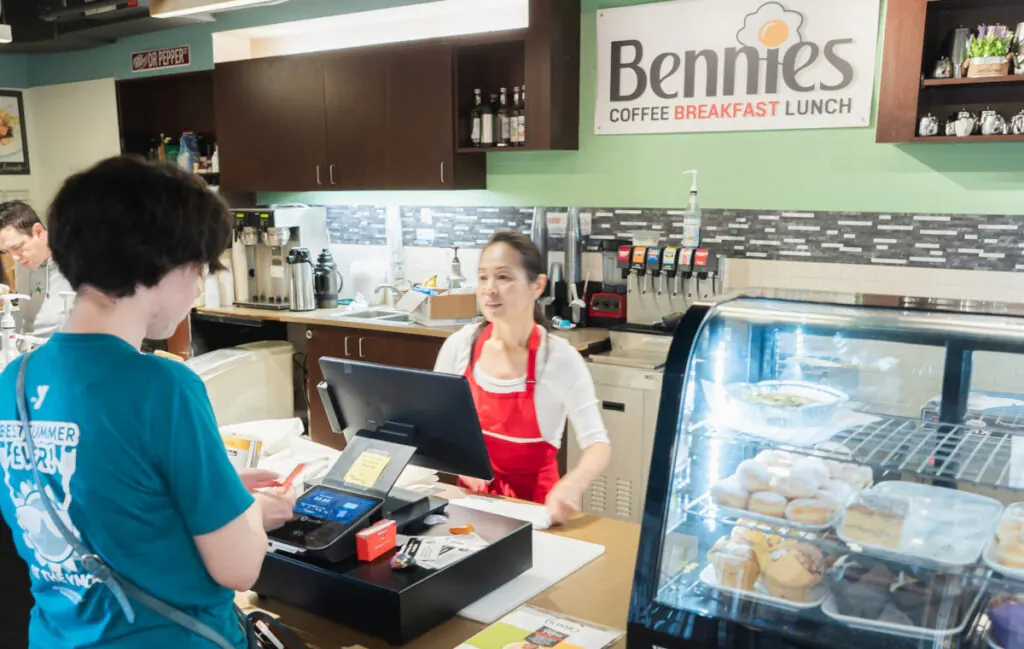
A busy cafe can look healthy from the sidewalk and still feel fragile behind the counter. Full tables on a Saturday morning do not always translate into durable loyalty. The real test comes on the slow Tuesday afternoon, during road construction on your block, or when a new competitor opens three doors down. If people keep showing up, keep bringing friends, and keep talking about your place as though it belongs to them, you have moved beyond transactions. You have built a community.
That difference matters more than most owners admit at first. Good coffee can attract a first visit. A clean room and fast service can earn a second. Community is what turns a cafe into part of someone’s routine, identity, and neighborhood life. It is also what protects margin in a business where labor, rent, utilities, and food costs keep tightening the screws.
I have seen cafes spend heavily on logos, furniture, and social campaigns, only to discover that regulars did not feel known. I have also seen modest shops with imperfect layouts thrive because the owner remembered names, sponsored the school raffle, gave local artists wall space, and built rituals people looked forward to every week. The lesson is simple, even if the execution is not. Community is not a marketing add-on. It is an operating choice.
Loyalty begins with a clear point of view
People do not gather around generic businesses. They gather around places with a point of view. That does not mean your cafe needs a grand manifesto on the wall. It means that customers should feel, within a few minutes of walking in, what you care about and what kind of experience you are trying to create.
A cafe that serves commuters at high speed in a business district can build a strong community, but it will do so differently than a neighborhood spot where parents linger after school drop-off. One may center on reliability, warmth, and efficiency. The other may lean into comfort, conversation, and local connection. Both can work. Problems start when the concept is blurry.
If your menu, music, service style, hours, and social presence all suggest different things, people have trouble understanding where you fit in their lives. They may like the coffee and still not form an attachment. Clarity helps customers self-select. It tells the right people, “This place is for you.”
That clarity also gives your staff a framework. Front-of-house teams are far better at creating consistent experiences when they know the tone they are meant to carry. “Friendly” is too vague to guide behavior. “Warm, observant, and never rushed with people who want to talk, quick and respectful with people who need to run” is something a team can actually use.
Your regulars are built in the first thirty seconds
Owners often overestimate the role of promotions and underestimate the role of arrival. The first thirty seconds inside a cafe do a remarkable amount of work. Is the customer acknowledged quickly? Does the room feel cared for? Can a first-time guest tell where to order and where to wait? Does anyone look pleased they walked in?
Many cafes lose potential regulars through tiny points of friction. The menu board is hard to read. The pastry case looks picked over at 10 a.m. The handoff area is crowded and confusing. No one makes eye contact because the team is buried in tasks. None of this sounds dramatic, yet it shapes whether people relax or brace themselves.
The strongest operators treat those first moments as part of hospitality, not merely flow. One owner I know instructed staff to acknowledge every guest within five seconds, even during a rush. Not with a scripted greeting shouted across the room, but with a nod, eye contact, or “We’ll be right with you.” It changed the atmosphere immediately. Customers were willing to wait because they no longer felt invisible.
Community starts with recognition. Before someone becomes a familiar face, they need to feel welcome as a stranger.
Familiarity is built through small acts of memory
There is a practical reason loyal guests talk about a cafe in personal terms. The place remembers them. Their usual drink. The fact that they take oat milk but no sweetener. Their dog’s name. The table near the window they prefer when it is open. These details are not trivial. They are the raw material of belonging.
You do not need a luxury service model to do this well. In fact, some of the best examples happen in busy, affordable neighborhood cafes. The common thread is attentiveness. A customer who hears “The almond croissant came in today” after mentioning it last week feels seen. A parent whose stroller is gently helped through a tight doorway notices that care. A freelancer who is not pressured after buying one drink and staying for an hour notices that too.
This kind of memory cannot be faked with software alone. A loyalty app can track purchase frequency, but it cannot replace human noticing. Technology can support the relationship. It should not become the relationship.
That said, systems do matter. If your turnover is high or your team is growing, consider simple habits that help staff learn regulars faster. Some managers keep a private notebook of frequent guests and useful details, handled respectfully and without overreach. Others use pre-shift conversations to mention who is likely to come in and what matters to them. “Mara usually arrives around nine and needs speed because of school drop-off” is practical context, not surveillance.
The room should invite people to stay, not just buy
A loyal community needs places to happen. The physical environment of a cafe either encourages connection or quietly prevents it. This is one of the most overlooked parts of retention because owners get used to their own layouts.
Walk your space as if you had never seen it before. Is there somewhere a person can sit alone without feeling exposed? Somewhere two friends can talk without shouting? Somewhere a parent can manage a child and a tray without panic? Somewhere a regular can read for forty minutes and still feel welcome? A room does not need to be large to support these moments, but it does need intention.
Noise is often the hidden culprit. I have watched beautifully designed cafes undermine themselves with harsh acoustics, grinding music, and chairs that scrape like metal thunder. Customers do not always complain. They simply shorten their visits. If your goal is community, comfort is not a soft extra. It is infrastructure.
The same goes for cleanliness and maintenance. A wobbling table, sticky condiment station, or bathroom that feels neglected sends a message. People draw broad conclusions from narrow cues. If those details feel careless, the emotional trust of the place drops with them.
There is also a trade-off here worth naming. Some owners fear that encouraging people to linger will reduce table turnover. Sometimes that concern is valid, especially in compact spaces during peak hours. The answer is not to reject dwell time entirely. It is to shape it. Use a mix of seating types. Protect high-turnover tables near the door if necessary. Be transparent about laptop hours if they are becoming a problem. Boundaries can coexist with warmth when they are designed thoughtfully and enforced consistently.
Staff culture becomes customer culture
If your team feels rushed, unsupported, or interchangeable, customers will feel the edge of that, even if no one says a word. Community cannot outgrow the internal culture of the cafe. The way staff treat one another becomes the emotional weather of the room.
Owners sometimes look for a charismatic barista to serve as the face of the brand. That can help, but it is not enough. What matters more is whether the entire team understands hospitality as a shared standard. One magnetic employee can create isolated moments. A healthy staff culture creates reliability.
Training should cover more than recipes and register flow. It should include judgment. When should someone step out from behind the counter to help an older guest carry a tray? How should staff respond when a regular wants to chat during a rush? What is the right move when a new parent looks overwhelmed? These are not minor questions. They are the situations in which a cafe develops character.
A simple framework helps. Encourage staff to notice, prioritize, and personalize. Notice what the customer seems to need. Prioritize what matters most in that moment, whether that is speed, clarity, or reassurance. Personalize the interaction just enough to feel human. Not every guest wants conversation. Good service reads the room.
Retention matters here too. Familiar faces behind the bar are part of community. If guests connect deeply with your team but the roster changes every few months, loyalty frays. Better scheduling, fairer tip distribution, cleaner communication, and realistic expectations often do more for customer community than another promotional campaign ever will.
Rituals give people a reason to come back
A community forms faster when there are repeatable moments people can count on. Rituals do not need to be elaborate. In many successful cafes, they are pleasantly small. A Friday bake release. A Sunday chess table in the back corner. A monthly local artist opening. A ten-minute pour-over tasting before opening for subscribers or regulars. What matters is consistency.
Rituals work because they create anticipation and shared memory. People like being part of something that happens regularly, especially when it feels a little local and a little earned. A customer may first visit for caffeine, then return because “Thursday is the soup day I like,” then begin to recognize the same few faces who also come every Thursday. That is how community often begins, not with a grand launch, but with repeated overlap.
The strongest rituals match the life of the neighborhood. Near a college campus, that may mean late-afternoon study specials during exam periods and stronger quiet-zone policies. In a family-heavy area, it may mean after-school snack pairings and stroller-friendly circulation. In an office district, it may be a fast pre-order pickup window that respects a 15-minute break. The ritual should fit actual customer patterns, not the owner’s fantasy of what the space could be.
If you are unsure where to start, pay attention to what already happens naturally. Community is easier to strengthen than to manufacture. If dog walkers cluster outside around the same time every morning, put out a water bowl and learn their names. If neighborhood knitters have claimed a corner table every other Wednesday, consider making them official hosts for an open meetup. Often, the seeds are already there.
Events can help, but only when they are aligned
Many cafe owners hear “community” and immediately think “events.” Events can be effective. They can also waste money, exhaust staff, and attract people who never return. The question is not whether to host events. It is whether a specific event reinforces the kind of community you want to build.
A poetry night in a quiet, bookish neighborhood can become a beloved fixture. The same event in a morning-driven commuter cafe may feel forced and poorly attended. A latte art throwdown might energize an industry-adjacent audience but do little for family regulars. Alignment matters more than novelty.
Before you commit to a calendar, test small. A full event series is rarely the first move. Try one collaboration with a nearby florist before Valentine’s Day. Host a local baker pop-up on a slow Saturday. Offer wall space to a neighborhood photographer with a modest opening hour rather than a full evening production. Smaller experiments produce cleaner feedback and less operational strain.
Here are a few event formats that tend to work when matched well to the audience:
- Local maker pop-ups that complement your existing traffic and product mix.
- Quiet recurring gatherings such as book clubs, language exchanges, or craft circles.
- Skill-based workshops, like home brewing basics, when your staff genuinely enjoys teaching.
- Cause-based days tied to a school, shelter, or neighborhood fundraiser.
- Seasonal celebrations that fit the pace of the cafe rather than overwhelm it.
The trap is trying to become all things to all people. A cafe with too many unrelated events can lose its identity and tire out its core guests. Better to host fewer, better-aligned gatherings that feel native to the space.
Local partnerships deepen roots
A cafe becomes more meaningful when it participates in the life around it. That does not always require formal sponsorships or large donations. Often it looks like practical cooperation between businesses, schools, and local groups.
A florist may supply small counter arrangements in exchange for a table card. A nearby bookstore may curate a shelf in your seating area, with monthly staff picks. A yoga studio down the street may co-create a simple package for morning classes and post-class coffee. A school may need trays for teacher appreciation week. A neighborhood association may need a host site for a small planning meeting. Each partnership puts your cafe into circulation as a useful, trusted place.
This kind of involvement has a compounding effect. People see your name in contexts other than selling. They begin to associate your business with contribution. That builds goodwill that paid advertising struggles to replicate.
There is a practical caution, though. Community-minded owners are often asked for more than they can sustainably give. Discounts for every fundraiser, free space for every group, free coffee for every initiative. Generosity needs a budget. Set criteria. Decide what causes or partnerships fit your values, what support looks like, and how often you can say yes without hurting operations. Communities respect businesses that give thoughtfully more than businesses that overextend and then withdraw.
Digital presence should feel like an extension of the room
A cafe’s online presence does not create community by itself, but it shapes how people experience the cafe between visits. The best social feeds and email updates feel like an extension of the in-store personality. They are specific, local, and recognizably human.
That usually means fewer polished slogans and more grounded glimpses of real life. Show the first tray of cardamom buns coming out of the oven. Introduce the barista who has been dialing in the new espresso. Share the sketch from the ceramicist whose mugs you stock. Post the odd little weather moment that made everyone order hot chocolate in April. People respond to texture, not generic promotion.
Captions should sound like your cafe, not like a brand handbook. If your space is calm and understated, keep the language measured. If it is playful and neighborhood-driven, warmth and wit can work well. Consistency matters more than volume. A cafe that posts three honest updates a week often builds more trust than one that floods feeds with offers and stock phrases.
Email remains underrated for local businesses. It reaches regulars without asking them to fight an algorithm, and it performs especially well for recurring rituals, seasonal menu notes, and small event invitations. Keep it useful. Tell people what changed, what is coming, and what they might care about. Respect their attention.
Feedback is valuable when you know how to read it
Every owner says they want customer feedback. Fewer know how to separate the useful from the loud. Community-oriented businesses need both openness and judgment. Not every suggestion should shape the cafe. Some requests come from one person’s preference rather than a true pattern.
The goal is to identify repeated friction and repeated delight. If several customers mention that the pickup area feels chaotic, that is operational gold. If many people ask whether your house-made syrup is sold by the bottle, that may be a retail opportunity. If one person is upset that the space is not optimized for large remote-work meetings, you may simply not be that kind of cafe.
Invite feedback in ways that suit your style. A quick conversation at the counter often reveals more than a formal survey. Managers who spend time on the floor hear things owners behind laptops miss. Digital reviews are useful too, especially when you look for trends over time instead of reacting defensively to every individual comment.
The hardest part is responding without becoming reactive. Good operators absorb feedback, compare it to their concept, test changes where Cafe appropriate, and hold the line where necessary. Community does not mean saying yes to everything. It means listening carefully enough that your no still feels respectful.
Loyalty programs are tools, not substitutes
Discount stamps, points apps, birthday offers, and subscription models can support repeat business. They can also train customers to think only in terms of rewards. A loyalty program works best when it reinforces genuine affection for the cafe rather than replacing it.
Simple usually wins. A straightforward digital punch card or a buy-nine-get-one model is easy to understand and easy for staff to explain. If you add too many conditions, tiers, or exclusions, the program starts to feel like an insurance document. That is not the feeling you want tied to morning coffee.
The deeper question is what behavior you are encouraging. If your quiet hours are underused, perhaps a loyalty perk nudges traffic into that window. If retail beans have stronger margin than some prepared drinks, maybe regulars earn a small benefit tied to home brewing purchases. The best programs support a business need while still feeling generous to the guest.
One practical way to evaluate your cafe’s community health is to track a few signals consistently:
- Repeat visit rate over 30, 60, and 90 days.
- Percentage of sales from known regulars versus one-time guests.
- Attendance and repeat attendance for any recurring ritual or event.
- Staff retention and customer mentions of specific team members in reviews.
- Referrals, whether measured by direct feedback, codes, or simple counter conversations.
Numbers will not tell you everything, but they can reveal whether warmth is translating into durable behavior.
The owner’s presence sets the tone, even when the owner is absent
In owner-operated cafes, customers often form strong attachments to the founder. That can be an advantage, but it becomes a liability if the community depends entirely on one personality. True loyalty should survive your day off.
Your standards, values, and patterns of attention need to live in the business, not just in your own interactions. If you are the only person who remembers regulars, handles complaints gracefully, or notices when the pastry case looks thin, you have not built a community system. You have built an owner bottleneck.
The strongest cafes translate the owner’s instincts into trainable habits. How are newcomers welcomed? How are regulars recognized? What does care look like when something goes wrong? Which partnerships matter? Which boundaries are non-negotiable? When these answers are shared, the cafe develops stability. Customers feel the same underlying culture even as shifts change.
That is often the moment when a cafe becomes a local institution rather than simply a beloved small business. Institutions are not cold or corporate. They are dependable. They become part of the neighborhood’s memory. People recommend them to new residents. They bring visiting relatives there. They mention them when talking about what makes the area feel like home.
A loyal community is rarely built through one clever tactic. It grows through repeated proof. Proof that the coffee will be good, yes, but also proof that the room is cared for, the team is grounded, the owner pays attention, the business participates in local life, and people matter beyond the receipt total. That kind of loyalty takes time. It also pays back in the one currency every cafe needs most: customers who choose you on purpose, again and again.
Bennies Cafe
17230 Jackson Creek Pkwy Ste 100, Monument, CO 80132
+1 719-445-0660
FAQ About Cafe
What is considered a café?
A café is generally an informal place to enjoy refreshments and a meal. Bennies Cafe in Monument serves breakfast and lunch in a counter-service setting, with options including eggs Benedict, sandwiches and crepes. Guests can eat in or arrange pickup.
What is the difference between a coffee shop and a café?
The terms often overlap. A coffee shop usually emphasizes coffee and other drinks, while a café may offer a broader food menu. Check the individual establishment's menu rather than relying on its name. Bennies Cafe offers coffee drinks alongside breakfast and lunch dishes.
What is the difference between café and coffee?
In everyday English, a café is a place where people buy food and drinks, while coffee is the beverage. The word café comes from the French word for coffee. Bennies Cafe serves options such as brewed coffee, espresso and lattes as part of its drinks menu.
Ends · KNOXBLYP626