How to Encourage More Repeat Visits to Your Cafe
A busy first visit feels good. A second, fifth, and fifteenth visit is what makes a cafe durable.
Most owners spend a lot of energy on attracting new people, and that makes sense. Rent does not wait, payroll does not shrink on slow weeks, and every empty chair feels expensive. But the strongest cafes are rarely built on novelty alone. They are built on habit. Someone stops by once because they noticed your sign, saw a friend post a drink, or needed coffee nearby. They come back because your place quietly earns a spot in their routine.
That difference matters. A repeat guest usually orders faster, trusts your menu more, forgives the occasional off day, and tells other people about you with conviction. They are not just buying coffee. They are choosing your room over every other room available to them.
If you want more repeat visits, start by thinking less like a marketer and more like a host with sharp operational discipline. Loyalty is not created by one trick. It is the result of many small signals that tell a guest, every single time, “this place works for me.”
Repeat business starts before the drink is served
Many cafe owners focus first on product quality, and rightly so. If the coffee is poor, nothing else will carry the business for long. But product quality alone does not explain repeat behavior. Plenty of cafes make competent drinks. Regulars return when the entire experience feels reliable, easy, and emotionally rewarding.
Think about the customer journey in practical terms. How easy is it to find parking or bike racks? Can a new guest tell where to order within three seconds of walking in? Does the line move at a pace that feels fair? Is there an obvious spot to wait without getting in everyone’s way? If a parent comes in with a stroller, or someone opens a laptop hoping to work for an hour, does your layout help them or make them feel like a problem?
These moments often matter more than owners expect. Guests rarely say, “I never returned because the pickup area felt chaotic,” but that is exactly how habits are lost. People come back to places that reduce friction. They do not need every visit to be memorable. They need it to be easy.
I once watched a neighborhood cafe improve repeat traffic with no menu changes at all. They moved the pastry case closer to the register, added a second small shelf for mobile pickups, and retrained staff to acknowledge everyone within a few seconds of entry, even during a rush. Average ticket size ticked up slightly, but the bigger change was in rhythm. Guests felt seen sooner, understood the flow faster, and stopped hovering near the espresso bar looking confused. None of that is glamorous, but it is exactly the kind of thing that gets people to return twice a week instead of twice a month.
Give people a reason to build you into their routine
Repeat visits usually come from one of three roles your cafe plays in a customer’s life. It is either a convenience stop, a comfort stop, or a social stop. The best cafes manage to be two of those at once.
A convenience stop wins because it is dependable. The guest knows they can get in and out in six minutes. Their drink tastes the same on Tuesday as it did on Friday. The app works. The opening time is real, not aspirational. If you say you open at 7:00, lights should be on and coffee should be ready at 7:00, not 7:12.
A comfort stop wins because it provides relief. The room sounds right. The chairs are not beautiful but impossible. The staff do not force conversation, yet they are warm. The guest feels a small drop in their shoulders when they walk in. That sensation is powerful, and it is hard for competitors to copy.
A social stop wins because people expect to see someone there, or expect to bring someone there. This is where local cafes often have an advantage over chains. A neighborhood place can become part of the social fabric if it makes regulars feel that their presence matters.
Your job is to decide which role you are best equipped to play, then make operational choices that reinforce it. A cafe trying to be all things to all people often ends up with mixed signals. The laptop crowd wants outlets and calmer music. The quick morning commuters want speed and clear lines. Families want space and flexibility. None of these groups are wrong, but they do not all want the same room at the same hour. Strong cafes shape usage by design, not by accident.
Service that feels personal, not performative
Guests remember how your staff made them feel, but they are surprisingly sensitive to whether friendliness is genuine. Scripted enthusiasm can feel thin. Real hospitality is quieter.
A returning customer does not need a speech. They need recognition. That can be as simple as remembering that they take whole milk, asking whether they want the usual table by the window, or noticing that they seem in a hurry and moving briskly without making them feel rushed. These are small acts of competence. They communicate care in a way that is practical.
Training matters here, but not in the form of long brand manifestos. Good service training in a cafe is usually built around judgment. When should a barista start a conversation, and when should they keep it short? How should they handle someone lingering during a peak period? What is the right response when a regular’s drink was made wrong for the first time in months? Should they remake it immediately, offer a pastry, apologize simply, and move on? Usually, yes. The point is not to Cafe create theater. The point is to resolve the moment cleanly.
One of the best indicators of repeat business is whether staff know regulars without making new people feel excluded. Some cafes get this balance wrong. They become so inward-facing that first-time visitors feel like they walked into someone else’s private club. Regulars love familiarity, but growth requires openness. The room should feel rooted, not cliquish.
Consistency is more persuasive than creativity
Owners often ask whether they need more seasonal specials, more events, more novelty. Sometimes they do. More often, they need better consistency.
If your cappuccino is excellent four days out of five, guests do not average that into “pretty good.” They remember uncertainty. That is especially true with repeat traffic, because routines rely on predictability. A customer grabbing coffee before work is not looking for a gamble.
Consistency depends on systems. Recipes must be documented. Dial-in should happen on schedule, not when someone has a spare minute. Batch brew timers need to be respected. Pastry presentation should look fresh at 2:00 p.m., not just at opening. Bathrooms should be checked often enough that no guest ever wonders whether anyone is paying attention.
This sounds basic because it is basic. It is also where loyalty is won. Most people do not return because your cardamom orange latte changed their life. They return because they trust you not to waste their time or disappoint them in avoidable ways.
There is room for creativity, of course. A rotating drink menu can spark interest, especially if your core menu is rock solid. But the special should sit on top of consistency, not compensate for its absence. A clever monthly drink might bring someone in once. Reliable execution is what makes them come back.
Make the room worth returning to
A cafe is not just a product counter. It is a physical environment, and environment shapes frequency.
Lighting is a good example. Harsh overhead light can make a room feel transactional, which is fine if you are built for quick turnover, but unhelpful if you want afternoon regulars who stay for an extra tea and a pastry. Seating matters too. If every chair is stylish but uncomfortable after twenty minutes, you will lose the guests who might have become dependable midweek regulars. If every table is oversized and spread too far apart, you may limit capacity and energy during busy periods.
Sound is another underestimated factor. A room that is too loud becomes tiring. A room that is too quiet can feel stiff. Music that staff love may not be what encourages broad repeat use. The goal is not to erase personality. The goal is to create a room people can imagine themselves revisiting under slightly different moods and Cafe Bennies Cafe needs.
Cleanliness deserves special mention because customers notice it instantly, even if they never comment. Sticky tables, overflowing bins, milk crust on the condiment station, fingerprints on the pastry case, and neglected restrooms all push against the desire to return. None of these issues alone may drive someone away forever. Together, they create a subtle sense that the cafe is not fully under control.
Loyalty programs can help, but they are not the main event
Many cafes reach for a stamp card or app-based rewards program as the first solution for repeat visits. That is not a mistake, but it is easy to overestimate what a loyalty program can do.
A reward system works best when it supports an existing habit. It gives people a small nudge to choose your cafe over another comparable option. It rarely rescues a weak experience. If service is inconsistent or wait times are frustrating, “buy nine, get one free” will not solve the real problem.
The most effective loyalty programs tend to be simple. Guests should understand the benefit immediately, and staff should not have to explain a maze of rules while a line forms behind the register. If you are deciding how to structure yours, a few principles matter more than complexity:
- Make the reward reachable within a reasonable number of visits.
- Keep redemption friction low.
- Train staff to mention it naturally, not like a script.
- Track whether members actually return more often.
- Review whether the discount is boosting frequency or just shrinking margin.
For many independent cafes, a straightforward digital system tied to phone number or app is easier to manage than paper cards, especially if you are also collecting basic visit data. But the right choice depends on your customer base. In some neighborhoods, a physical stamp card still performs well because it is tangible and fast. In others, mobile ordering and built-in rewards fit customer expectations better.
The important thing is not to confuse participation with loyalty. Plenty of people sign up for a perk and never become regulars. The program is a tool, not a strategy.
Menu design influences return rates more than most owners realize
A menu that drives repeat visits is not necessarily a large menu. In fact, oversized menus often hurt frequency because they slow ordering, strain inventory, and create more opportunities for inconsistency.
Repeat customers benefit from a menu that is easy to learn. They want a few dependable anchors, enough variety to avoid boredom, and occasional reasons to try something new. That mix can look different depending on the concept. A specialty coffee cafe may lean heavily on espresso and filter offerings with a tight pastry selection. A neighborhood all-day cafe may need breakfast items, sandwiches, tea, and kid-friendly options to earn broader repeat business.
What matters is clarity. If people cannot quickly tell what you do best, they are less likely to develop a “usual.” And having a usual is one of the strongest drivers of repeat visits. It reduces decision fatigue and turns your cafe into an efficient habit.
Pricing also affects loyalty in a more nuanced way than many assume. Guests do not need you to be the cheapest. They do need prices to feel coherent. If your espresso drinks are priced in line with the market but a basic pastry feels oddly expensive, customers notice. If add-on charges pile up in ways that feel petty, they notice that too. People accept premium pricing when quality and experience support it. They resist feeling nickeled-and-dimed.
Bundling can help when done carefully. A breakfast pairing or afternoon coffee-and-pastry offer can increase return frequency during slower dayparts without making your whole menu look discounted. The key is to protect your brand position while giving people a practical reason to choose you more often.
Give regulars signs that they matter
Most repeat guests do not need VIP treatment. They do appreciate evidence that their loyalty is recognized.
Sometimes that is as simple as staff remembering names. Sometimes it is early access to a seasonal drink, a small invitation to a tasting, or a quiet thank-you after a certain number of visits. The gesture does not have to be expensive. It has to feel specific.
Community events can support this, but only if they fit your cafe’s actual identity. A monthly cupping, a local artist night, a book club partnership, or a Saturday pastry launch can all work if they draw the kind of guests you genuinely want more of. Forced events usually read as forced. A nearly empty open mic in a room not designed for performance does not create community. It creates discomfort.
Local partnerships are often more useful than owners realize. A nearby florist, bookstore, gym, coworking space, or office can send highly relevant foot traffic if the relationship is well matched. More importantly, those partnerships can create repeated patterns. The yoga studio crowd comes in after the 8:00 class. The office team orders boxed coffee every Thursday. The neighborhood school’s parents stop by after drop-off. These are the rhythms that make a cafe resilient.
Speed matters, even in a place built for lingering
Owners sometimes frame speed and hospitality as opposites. They are not. In a cafe, speed is often a form of hospitality.
Morning customers, especially commuters and parents, are measuring you against their schedule. If they believe your line is unpredictable, they will stop gambling on it. That does not mean every order must be rushed. It means your operations should match demand patterns closely enough that guests know what to expect.
There are several operational pressure points that commonly affect repeat visits. Queue design is one. If customers cannot tell where to stand, frustration begins before the order. Another is staffing during the first ninety minutes of the day, when being one person short can stretch waits just enough to discourage routine visits. Mobile order management is another frequent issue. When walk-ins feel ignored because staff are buried in app tickets, or app users arrive to find their drinks delayed anyway, trust drops fast.
If you want to improve return rates, look hard at your peak-hour flow. Watch where people pause. Listen for repeated questions. Time ticket completion honestly. A six-minute wait can feel very different from an eleven-minute wait, even if the room is pleasant. Habits are fragile under time pressure.
Ask for feedback in ways that produce useful truth
Customers rarely deliver perfect feedback unprompted. If they complain in person, they are often already annoyed. If they leave no comment at all, you cannot assume satisfaction. The most useful insights usually come from low-friction channels that let guests be candid.
A short survey link on receipts, a QR code near the exit, or a follow-up prompt in your ordering system can uncover patterns before they become expensive. Keep the questions practical. Ask about speed, friendliness, product quality, cleanliness, and likelihood of return. Give people space to mention specifics.
What you are looking for is not a flood of opinions. You are looking for repeated signals. If multiple guests mention that the room is too cold in the afternoon, or that the online menu is confusing, or that the music is too loud before 9:00 a.m., that is operational gold. Those are fixable barriers to repeat visits.
Just as important, tell your team what you learned and what changed. Staff are more likely to buy into improvements when they can see the direct link between customer comments and daily reality.
Measure repeat visits with more discipline
If you do not track return behavior, it is easy to confuse busy periods with healthy loyalty. A cafe can feel active because of location, weather, or weekend spikes while still doing a poor job of retaining first-time guests.
You do not need elaborate analytics to start. You do need a few clear measures that help you separate traffic from loyalty:
- percentage of customers who return within 30 days
- average visits per loyalty member per month
- sales by daypart, especially weak repeat windows
- redemption rate on loyalty offers
- customer comments tied to service speed, cleanliness, and consistency
These numbers will not tell the full story, but they can point you toward the right questions. If many people visit once and do not return within a month, your first-visit experience may be underperforming. If loyalty signups are high but frequency stays flat, the reward system may be attracting bargain-seekers without changing behavior. If afternoon traffic is weak despite a strong morning business, your room or menu may not give people enough reason to choose you later in the day.
Judgment matters here. Data should sharpen your instincts, not replace them.
The strongest cafes become part of people’s lives
The cafes that earn repeat visits are rarely the ones chasing attention at all costs. They are the ones that understand what people are really returning for.
Sometimes it is the barista who remembers a name on a rough Wednesday morning. Sometimes it is the confidence that a mobile order will be ready when promised. Sometimes it is a corner table with good light and a soundtrack that never asks too much. Often it is the accumulation of all those details, repeated so consistently that choosing your cafe stops feeling like a decision and starts feeling like a habit.
That is the goal. Not just to impress people once, but to become useful, dependable, and welcome often enough that they build you into the shape of their week.
When owners ask how to get more repeat visits, the honest answer is less romantic than they hope and more encouraging than they fear. You do not need magic. You need a clear identity, disciplined execution, a room people want to return to, and service that proves your cafe notices the people who keep it alive.
If you get those pieces right, marketing becomes easier, not because you stop promoting the business, but because your regulars start doing part of the work for you. They bring friends. They post the pastry case without being asked. They choose your place for a meeting, then come back alone on Friday. They forgive the occasional bad day because the broader pattern has earned trust.
That is what repeat business really is. Trust, expressed in visits.
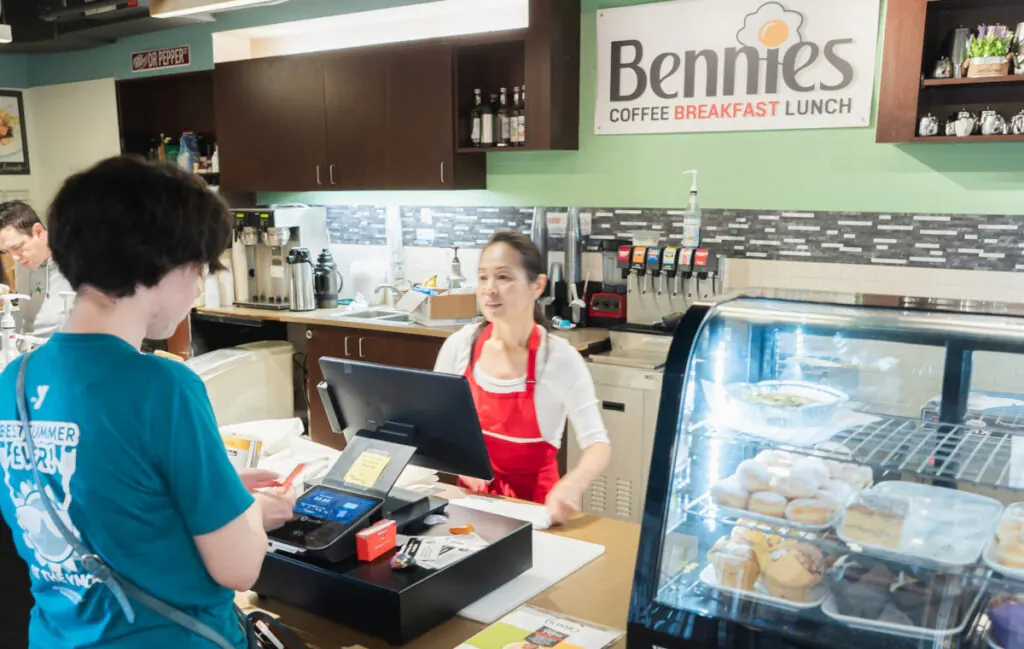
Bennies Cafe
17230 Jackson Creek Pkwy Ste 100, Monument, CO 80132
+1 719-445-0660
FAQ About Cafe
What is considered a café?
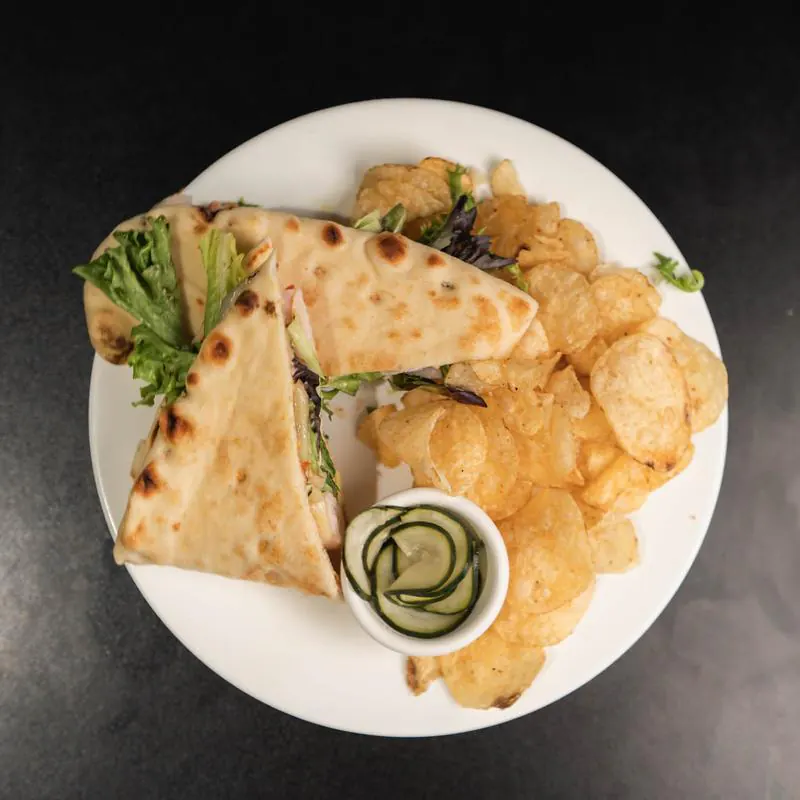
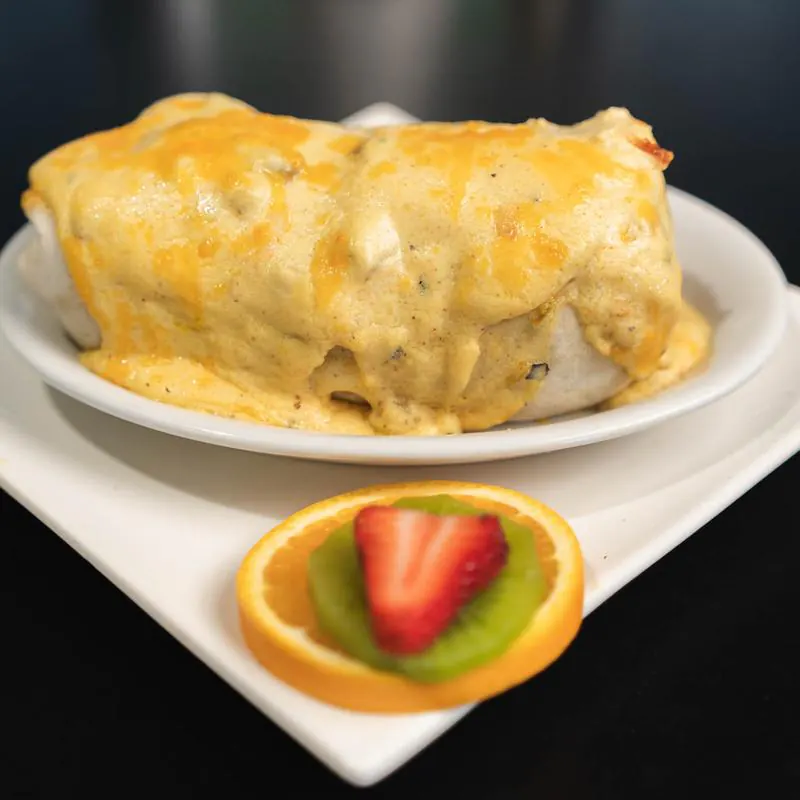
A café is generally an informal place to enjoy refreshments and a meal. Bennies Cafe in Monument serves breakfast and lunch in a counter-service setting, with options including eggs Benedict, sandwiches and crepes. Guests can eat in or arrange pickup.
What is the difference between a coffee shop and a café?
The terms often overlap. A coffee shop usually emphasizes coffee and other drinks, while a café may offer a broader food menu. Check the individual establishment's menu rather than relying on its name. Bennies Cafe offers coffee drinks alongside breakfast and lunch dishes.
What is the difference between café and coffee?
In everyday English, a café is a place where people buy food and drinks, while coffee is the beverage. The word café comes from the French word for coffee. Bennies Cafe serves options such as brewed coffee, espresso and lattes as part of its drinks menu.
Ends · KNOXBLYP626